

Emotional Outsourcing: Why People Increasingly Delegate Their Emotions to Apps, AI, and Therapeutic Content

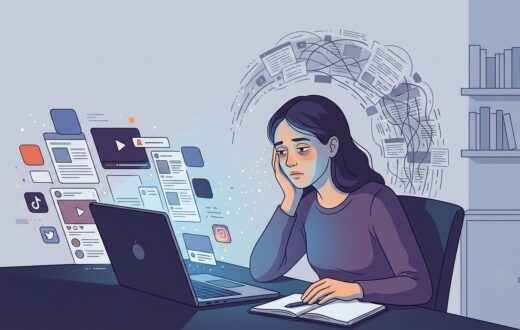
Digital technologies are penetrating ever more deeply into the emotional sphere of human life. Today, many people discuss their feelings not with friends or relatives, but with chatbots, mental health apps, coaches, and therapeutic content on social media. This phenomenon can be described as “emotional outsourcing” — the delegation of part of one’s emotional labor to external digital or professional intermediaries.
The popularity of this phenomenon is linked to the accelerating pace of life, information overload, and the changing nature of communication. Modern individuals increasingly experience emotional loneliness even amid constant online presence. Researchers note that the digital environment simultaneously expands opportunities for communication and intensifies feelings of alienation.
One of the driving factors behind emotional outsourcing has been the development of digital empathy. Users receive emotional support through meditation apps, AI assistants, motivational videos, and online psychotherapy. Many people perceive such formats as safer: artificial intelligence does not pass judgment, and digital interaction reduces the fear of being evaluated by others.
Contemporary research emphasizes that digitalization is transforming the ways in which emotions are regulated. New concepts are emerging, including “digital emotional intelligence,” “digital empathy,” and “digital emotion regulation.” Scholars point out that digital technologies can help individuals manage their emotions, reduce anxiety, and develop self-reflection skills.
However, emotional outsourcing also carries contradictory consequences. On the one hand, people receive support more quickly, and psychological help becomes more accessible. On the other hand, there is a risk of diminished capacity for direct, “live” emotional contact. Researchers indicate that digital communication often replaces full-fledged interpersonal intimacy with symbolic reactions: emojis, brief messages, and algorithmically curated content.
Moreover, constant reliance on digital assistants can foster a dependence on external emotional regulation. Instead of seeking answers to their feelings within themselves or through real-life interaction, people begin to look for them in the recommendations of algorithms. This tendency is particularly pronounced among members of Generation Z, whose socialization took place in conditions of constant digital presence.
It is noteworthy that the advancement of artificial intelligence reinforces this process. Modern AI systems are capable of recognizing a user’s emotional states, selecting supportive phrases, and even simulating empathy. Despite the absence of genuine feelings, many people perceive such interaction as psychologically comfortable.
Thus, emotional outsourcing has become a natural consequence of the digitalization of society. People increasingly delegate part of their emotional support to apps, AI, and therapeutic content because it is fast, accessible, and subjectively psychologically safe. Yet such practices are altering the very nature of direct human relationships and emotional intimacy. In the future, the central challenge will likely be finding a balance between digital support and the preservation of authentic, face-to-face human communication.